
-
 Flickr User Personal Creations (https://creativecommons.org/licenses/by/2.0/)The U.S. Census Bureau estimates that 40 million kids aged 5 to 14 will be keeping up the tradition of knocking on doors this Halloween. The biggest threat to trick or treaters , according to the American College of Emergency Physicians, is actually cars. Children are four times more likely to be hit by a car on Halloween night than on any other night of the year.
 -
 Djavan Rodriguez/Adobe Stock/Djavan Rodriguez/Adobe StockMissouri mental health professionals are shedding light on how early childhood experiences, including trauma, can influence development long before children can express their feelings. They emphasize the power of early intervention, nurturing relationships, and everyday interactions to help young children overcome challenges and thrive.


-
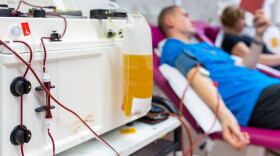 International Plasma Awareness Week (IPAW) is highlighting the need for regular plasma donations to provide lifesaving treatments for patients with immune deficiencies and other serious conditions. For one Illinois family, it's a matter of life and death.
 -
 Selecting a health insurance plan during open enrollment can sometimes feel like a dizzying experience amid a slew of plan and price changes. Experts are offering tips for Illinois residents to help them work through the noise.
 -
 Failing utility grades, more gas generation, and questions about who pays. That's the latest verdict from the Sierra Club, which says Missouri utilities’ energy choices are falling short of their climate promises, raising fresh concerns about Ameren’s latest long-range plan.
 -
 Did you get your flu shot yet? While the focus has been on COVID in recent years, this booster is important, too.
 -
 Even as Illinois is stepping up efforts to curb youth nicotine use, experts still warn that students are increasingly navigating a range of hard-to-detect products, from flavored vapes to high-nicotine pouches.
 -
 As Suicide Prevention Month wraps up, Illinois leaders working in the mental health space urge people to recognize warning signs not just this month, but all year long --- and reach out to people in crisis. They’re also calling on the state to strengthen access to behavioral health services, particularly in rural communities, spreading the message that saving a life starts with connection and conversation.
 -
 Illinois farmers and soil experts say regenerative agriculture could help address concerns about declining nutrient density by rebuilding soil health and, in turn, strengthening local food systems.
 -
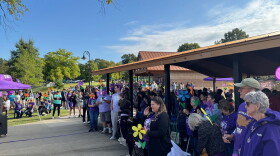 In this episode of 'Going Public', we speak with Maddie Erwin, the SEMO Walk Manager for the Alzheimer's Association in the Southeast Missouri Region. Local events are scheduled for September 26 at Mineral Area College, October 3 at Capaha Park in Cape Girardeau, and October 10 at Poplar Bluff High School. The walks are free community celebrations, and participants can register individually or join teams with family, coworkers, or friends.
 -
In this episode of 'Going Public', we speak with Maddie Erwin, the SEMO Walk Manager for the Alzheimer's Association in the Southeast Missouri Region. Local events are scheduled for September 26 at Mineral Area College, October 3 at Capaha Park in Cape Girardeau, and October 10 at Poplar Bluff High School. The walks are free community celebrations, and participants can register individually or join teams with family, coworkers, or friends.
-
 Yoga, an ancient practice and meditation, has become increasingly popular in the United States. You might be thinking that you’re aware of yoga, but you don’t have the flexibility to give it a try.


