-
 Missouri voters will weigh five ballot measures Nov. 3, including proposals on abortion access, citizen initiatives, a state fund, sheriffs, and congressional maps.
 -
 The Rural Energy for America Program was created in 2002 to help farmers and rural small businesses invest in renewable energy, including solar.
 -
 Following a U.S. Supreme Court ruling restoring Missouri's previous congressional maps, election officials are helping voters confirm their districts and preparing for a smooth November election. One election official in the Show Me State says about 40% of voters in her county changed districts between the August primary and the general election
 -
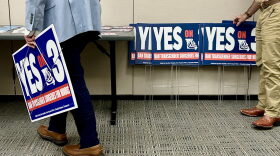 Amendment 3 supporters are emphasizing restrictions on gender-affirming care for minors as they seek to overturn the abortion rights voters approved in 2024
 -
 As voters prepare to head to the polls, new research highlights the growing risks of public service, with elected officials and their families facing threats, harassment and mounting strain that could make it harder to attract people willing to serve.
 -
 Millions of small businesses will no longer have to submit personal ownership details to the federal government - and previously collected information will be deleted. Supporters of the change say they're grateful for the move, while pressing Congress to make the shift harder to reverse.
 -
 Tuesday's primary election results in Missouri showed voters' strong opposition to both amendments 4 and 5, which were championed by Gov. Kehoe. Various local ballot measures also passed.
 -
 In this episode of ‘SEMO Spotlight’, we speak with Dr. Laura Hatcher, who is the director of the new Center for Civic Engagement and Democratic Practices and former department head of the Department of Anthropology, History, & Political Science.
 -
In this episode of ‘SEMO Spotlight’, we speak with Dr. Laura Hatcher, who is the director of the new Center for Civic Engagement and Democratic Practices and former department head of the Department of Anthropology, History, & Political Science.
-
 The Missouri Primary is almost here, and two potential amendments will have major impacts on voting and taxes for Missouri residents.

© 2026 KRCU Public Radio
90.9 Cape Girardeau | 88.9-HD Ste. Genevieve |
88.7 Poplar Bluff
Play Live Radio
Next Up:
0:00
0:00
Available On Air Stations


